

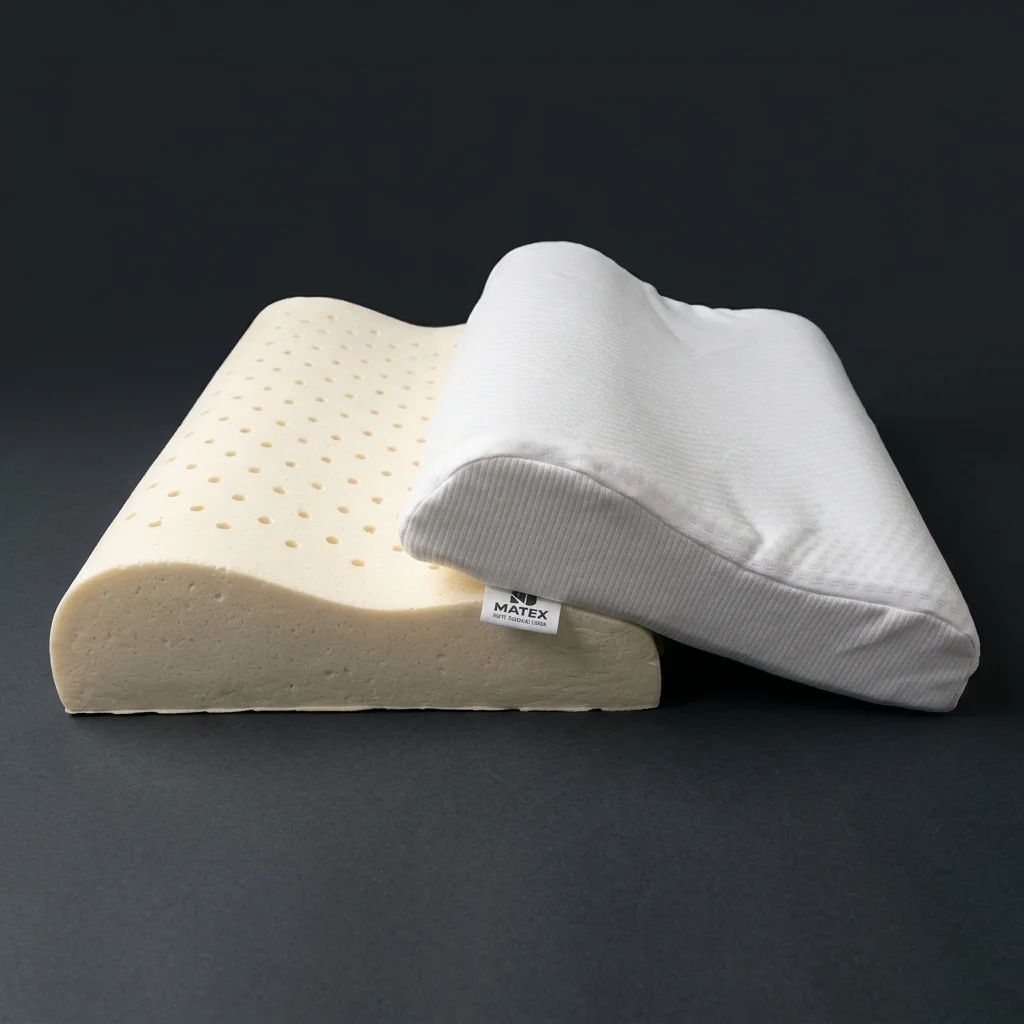
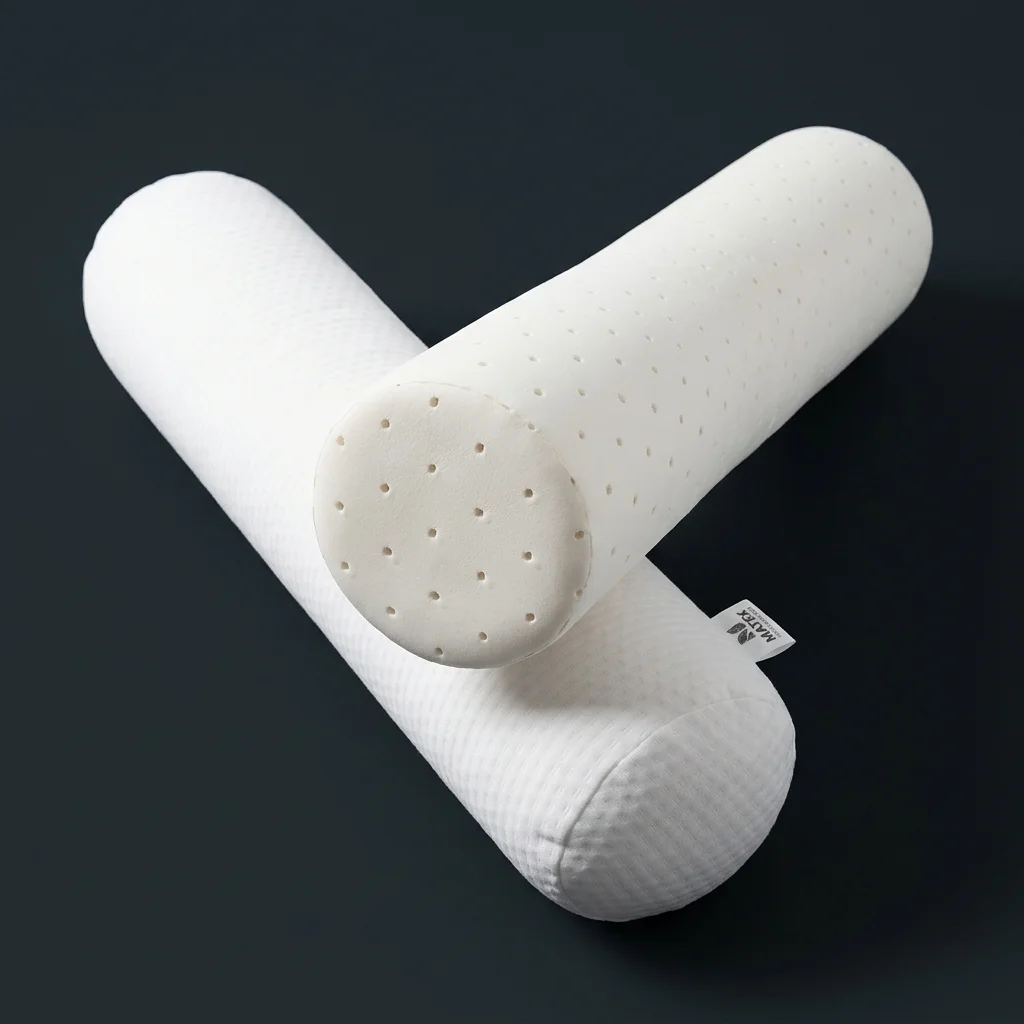
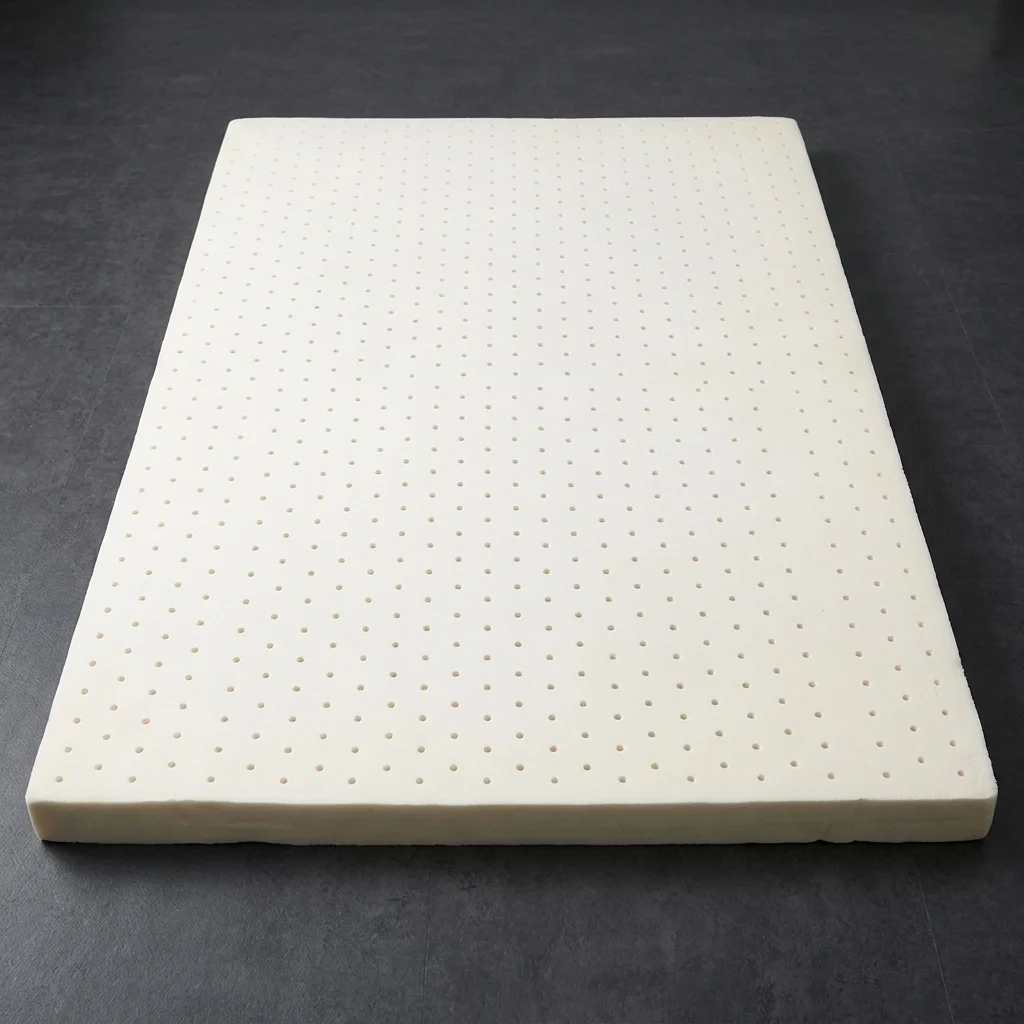
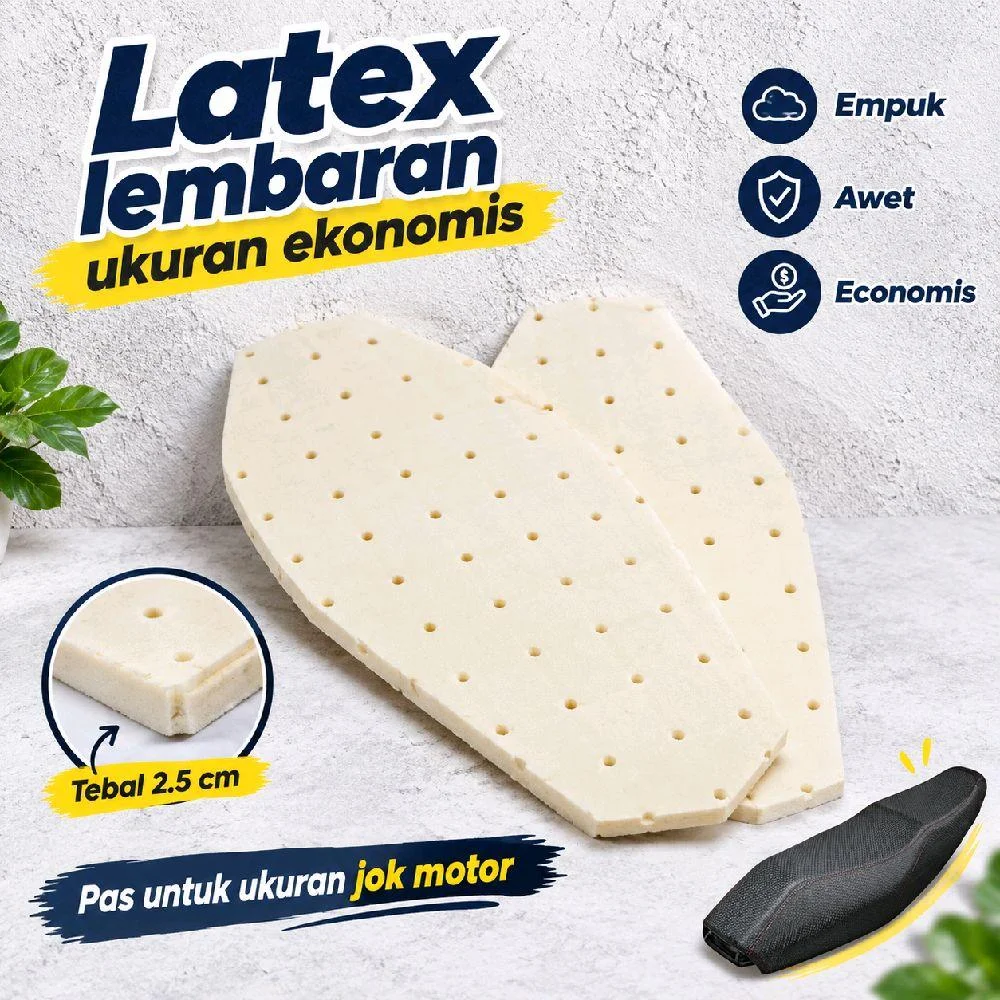

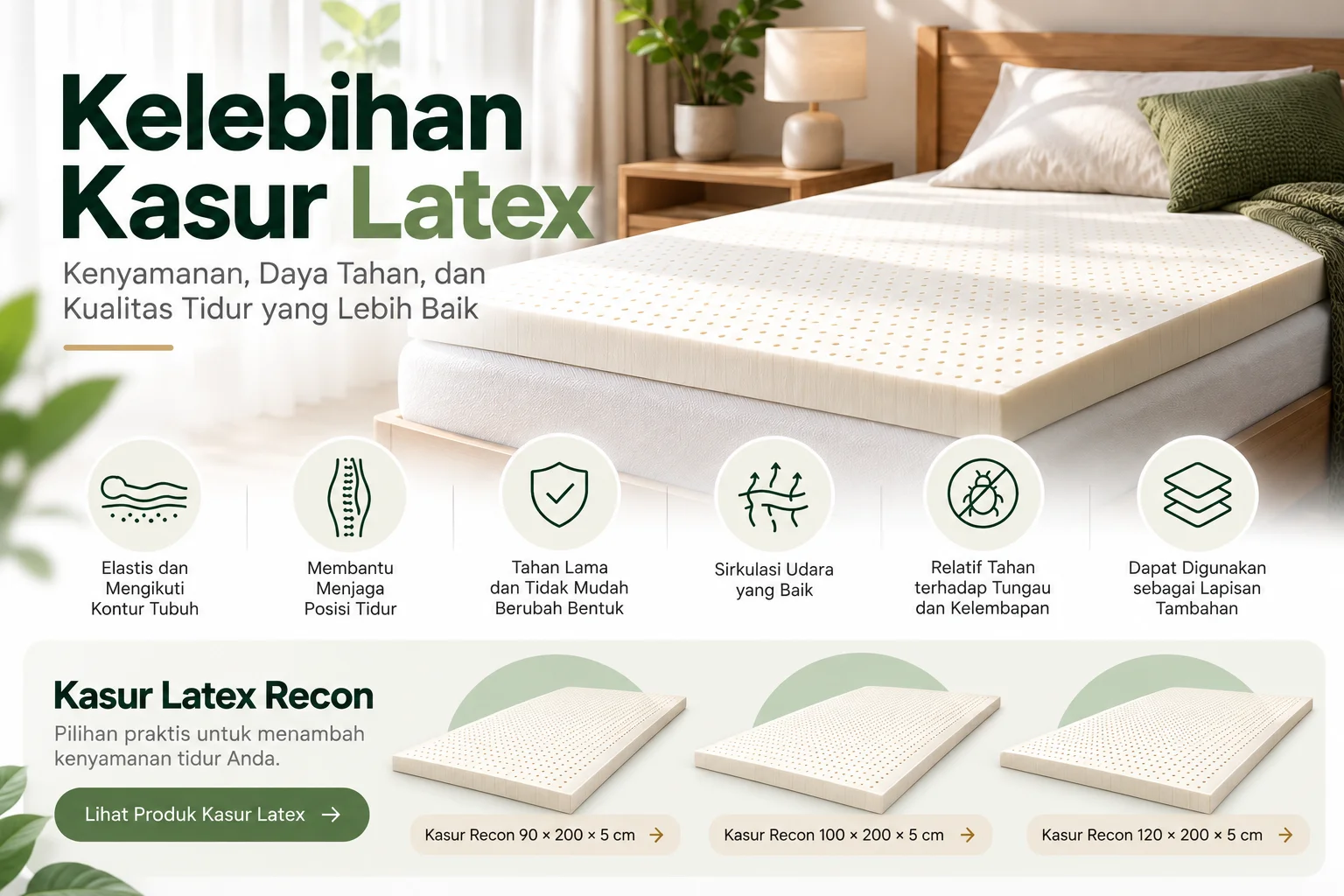

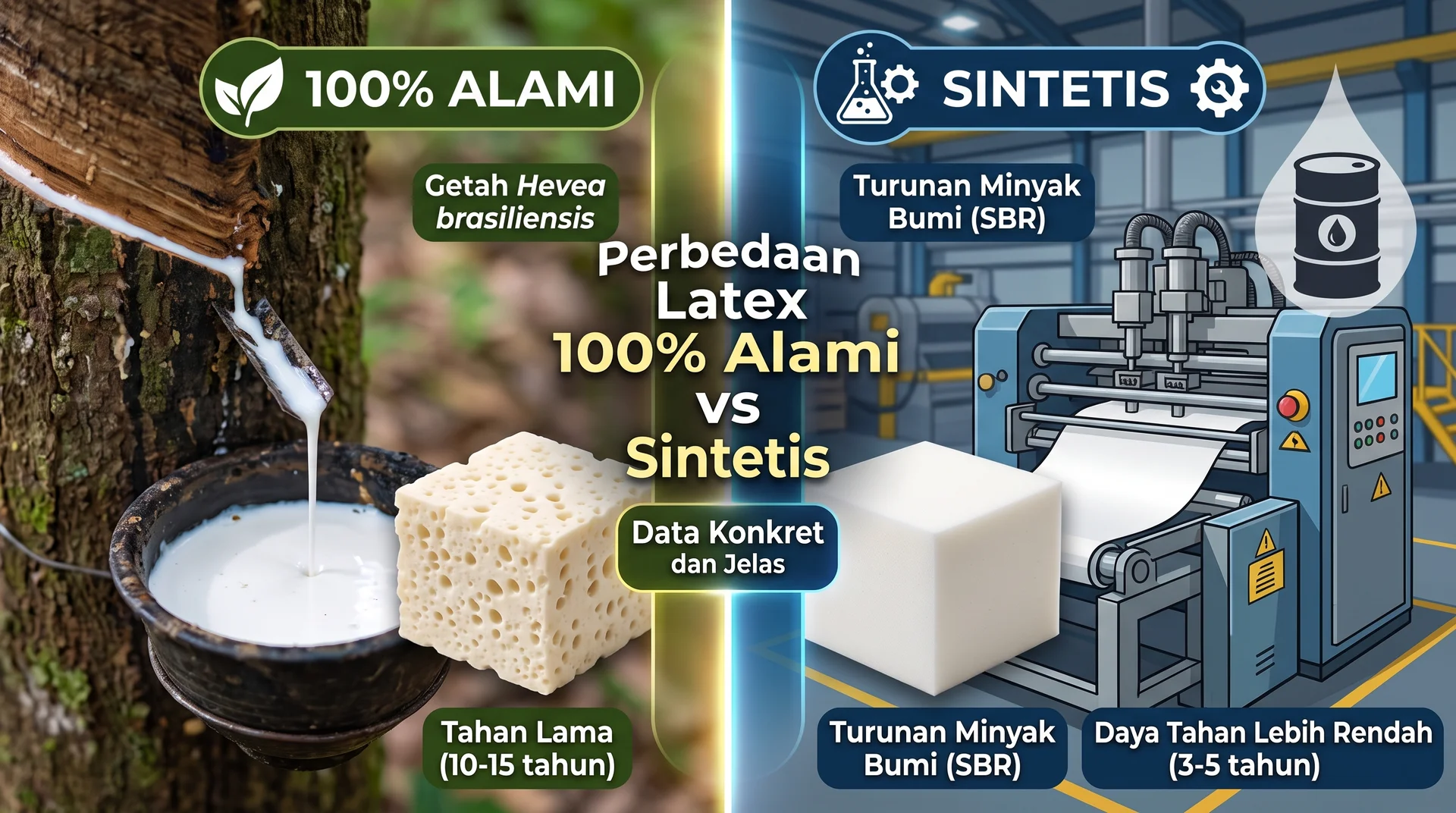

Latex mattresses and pillows have gained widespread popularity for their superior spinal support and comfort. However, not all latex products are created equal. The market primarily features two types: 100% Natural Latex and Synthetic Latex. Understanding their differences is essential to making an informed investment in your sleep quality.
1. Raw Materials
100% Natural Latex: Harvested directly from the sap of rubber trees (Hevea brasiliensis). It contains no petroleum-based chemicals or artificial fillers.
Synthetic Latex: Manufactured using petroleum derivatives, predominantly Styrene-Butadiene Rubber (SBR).
2. Elasticity and Support
Natural Latex: Offers high elasticity and pinpoint responsiveness. It contours naturally to the body's curves, distributing weight evenly and relieving pressure on joints and the spine.
Synthetic Latex: Feels stiffer and less contouring. Over time, its ability to bounce back decreases noticeably.
3. Durability and Lifespan
Natural Latex: Exceptionally durable. High-quality natural latex mattresses can retain their structural integrity for 10 to 15 years.
Synthetic Latex: Prone to sagging, softening, or cracking within 3 to 5 years of regular use.
4. Breathability and Temperature Control
Natural Latex: Features an open-cell molecular structure paired with ventilation pinholes, promoting continuous airflow to keep you cool throughout the night.
Synthetic Latex: Has a denser structure that tends to trap body heat, often resulting in a warmer sleeping surface.
5. Health and Safety
Natural Latex: Naturally hypoallergenic, anti-bacterial, and dust-mite resistant. It is free from harmful Volatile Organic Compounds (VOCs), making it safe for babies and allergy sufferers.
Synthetic Latex: Emits a distinct chemical odor (off-gassing) when new. These volatile emissions can cause mild respiratory or skin irritation in sensitive individuals.
6. Environmental Impact
Natural Latex: Sourced from a renewable agricultural resource and is fully biodegradable.
Synthetic Latex: Non-biodegradable and carries a larger carbon footprint due to its reliance on petrochemical processing.
click here!


